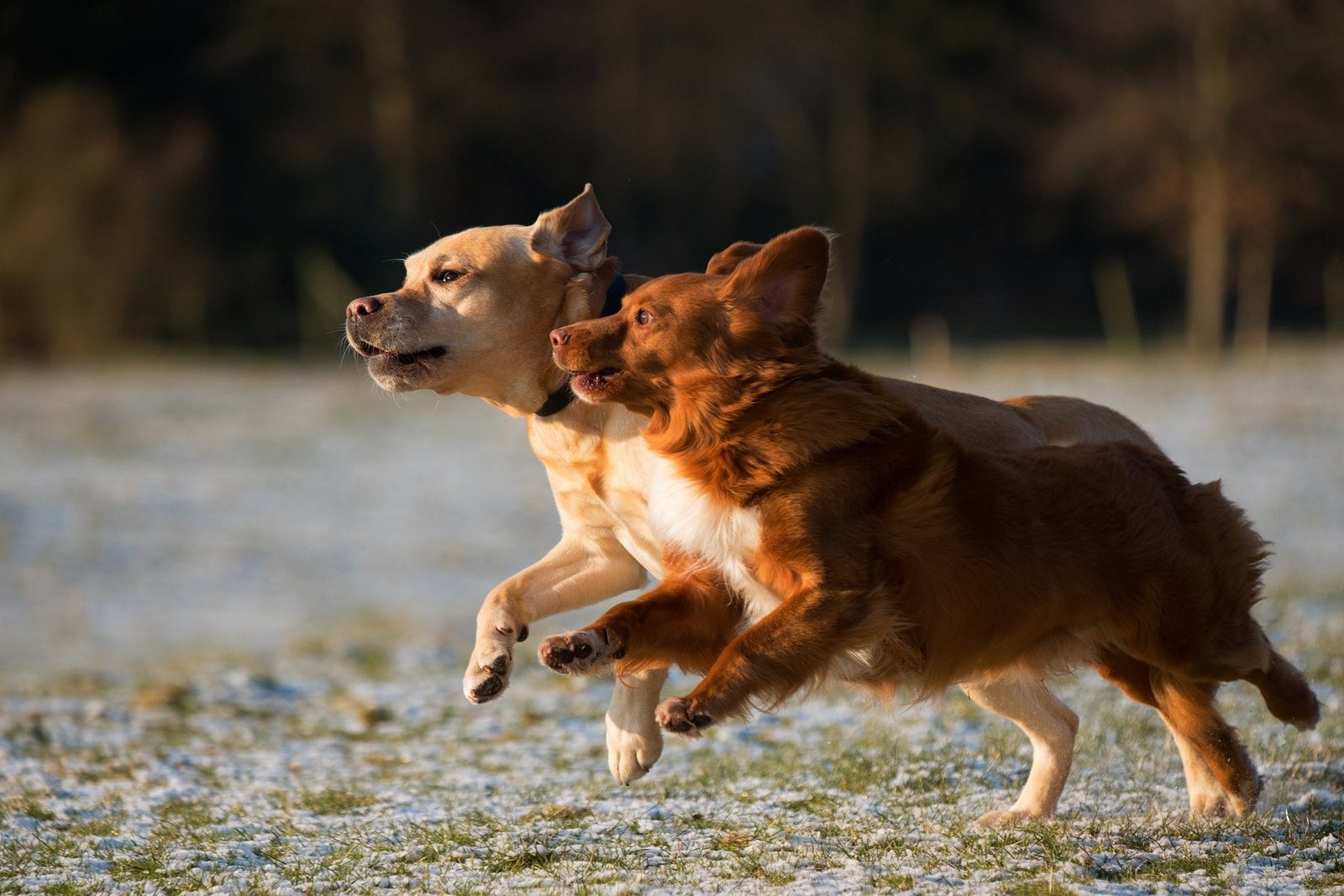


Figo goes stiff as a board the second he hears the first firework crack, and for years our evenings from late October through New Year were a write-off. What actually helped wasn’t any one trick — it was stacking a few small things together, most of which cost nothing.
Here’s what’s worked for us and for other AboutDogs readers, where calming pills genuinely fit in, and — just as importantly — when it’s worth stopping the home remedies and picking up the phone to your vet instead.
Tire him out properly first

A tired dog is a calm dog — it sounds obvious, but a proper leg-stretch (not just a lap of the block) does more for Figo’s evening mood than anything else on this list. Long walks, a proper game of fetch, or a splash about all work because the physical tiredness takes the edge off the nervy energy that turns into barking or pacing later on. If you’re stuck for ideas, we’ve rounded up some good spots to walk or swim with your dog around the UK.
Keep the day predictable

Figo knows roughly when his walk, dinner and bedtime are coming, and that predictability does a lot of quiet work. Dogs that aren’t sure what’s happening next tend to stay a bit more on edge generally — keeping feeding, walking and sleeping times roughly consistent gives your dog fewer unknowns to worry about.
Give him somewhere that’s his

A crate, a bed in a quiet corner, or even just a blanket that smells of you can become a genuine bolt-hole for a dog who’s had enough. Some dogs settle faster with a bit of background noise on too — calming music or a white noise machine can take the edge off sudden bangs or sirens outside.
Scent helps more than you’d expect

We came to dog aromatherapy a bit sceptically, but lavender and chamomile genuinely seem to take the edge off for a lot of dogs, Figo included. Stick to sprays and diffusers made specifically for dogs rather than anything designed for humans, since a scent strength that’s pleasant for us can be overwhelming for a dog’s nose.
Where calming pills actually fit in

We keep a pack of Calmdogs® Calming Pills for Dogs in the cupboard for fireworks season and long car journeys — made with chamomile, L-theanine and valerian root, and plenty of owners we’ve heard from use them the same way, for things like:
-
Fireworks or thunderstorms
-
Travel and vet visits
-
Separation anxiety
-
Nighttime barking or restlessness
They’re not a fix on their own — think of them as extra support alongside everything above, not instead of it. If you’d like more on what the research actually says about them, we’ve gone into it in do calming chews work for dogs?
Restlessness, pacing and not settling can come from more than one place — our guide to telling whether your dog is anxious, overstimulated or bored helps you work out which, and if it’s mostly that he gets more wound up the more you ask him to calm down, see our guide to why that happens and what to do instead.
When it’s time to stop trying new things
If you’ve tried the steps above consistently and it’s still not shifting, that’s the point to stop trying new home remedies and have a proper conversation with your vet instead. Anxiety has physical and behavioural roots that are genuinely worth ruling out, and your vet — or a referral to a qualified trainer or behaviourist — can help you get to the bottom of what’s actually going on rather than just masking the symptoms.
The short version
Most of the time it really is this combination — enough exercise, a predictable day, somewhere to retreat to, and a bit of scent or supplement support when things get loud. It’s rarely one single trick, more a handful of small habits that add up. And if they don’t add up to enough, that’s not a sign you’ve done something wrong — it’s just time to bring your vet into it.
A calmer dog makes for a calmer home, for both of you.
Frequently Asked Questions
How can regular exercise help calm my dog naturally?
Regular exercise helps reduce anxiety in dogs by releasing endorphins, which are natural mood enhancers. Activities like walking, playing fetch, or swimming tire your dog out and decrease restless behaviours such as barking or pacing, creating a calmer and more content pet.
Why is maintaining a consistent daily routine important for calming my dog?
Dogs feel more secure with predictable schedules for feeding, walking, and sleeping. A consistent routine reduces uncertainty and stress, helping your dog know when to expect activities and when it’s time to relax, which naturally lowers anxiety levels.
What kind of environment should I create at home to help calm my dog?
Providing a quiet, cosy space like a crate or bed in a low-traffic area helps your dog feel safe. Adding familiar scents or playing calming music can further soothe nervous dogs, especially those sensitive to loud noises or sudden disturbances.
Are natural scents like lavender safe and effective for calming dogs?
Yes, certain natural scents such as lavender and chamomile are known to promote relaxation in dogs. Using dog-safe sprays or diffusers with these aromas can create a calming atmosphere, but always ensure products are specifically designed for pets to avoid irritation.
When should I consider calming supplements or other interventions for my dog?
If lifestyle changes and natural remedies don’t fully ease your dog’s anxiety, calming supplements with ingredients like chamomile or valerian root can offer additional support. If things aren’t improving, it’s worth booking your dog in with the vet, who may also refer you to a qualified behaviourist.