

Your dog is pacing, whining, chewing the sofa arm or tearing round the garden at ten at night. It all looks like “too much energy”, but the same behaviour can come from three very different places, and the fix for one makes another worse. A dog who is worried needs calm and distance. A dog who is overexcited needs rest. A dog who is bored needs something to do.
So how do you tell whether your dog is anxious, overstimulated or bored? Look at the body, not just the behaviour, and at what happened in the hour before. This guide gives you the clues, then what to try for each.
Why they look alike
Restlessness is a catch-all. The Dogs Trust notes that excitement can tip into over-arousal or frustration, and lists pacing and seeming unsettled among the signs of stress. Pacing can be anxiety, a wound-up dog who can’t switch off, or a dog who simply hasn’t been given anything to do. That’s why guessing is risky. The Dogs Trust advises against telling off a worried dog.
The body-language clues
Start with the early, subtle signs of stress. The Dogs Trust lists them: yawning when he isn’t tired, lip-licking when there’s no food, turning his head or body away, ears pulled back, dilated pupils, the whites of the eyes showing, sudden stillness and body tension. Further along come a tucked tail, crouching, hiding, trembling, panting when he hasn’t been exercising, pacing and ignoring treats or toys. Those point towards anxiety or stress.
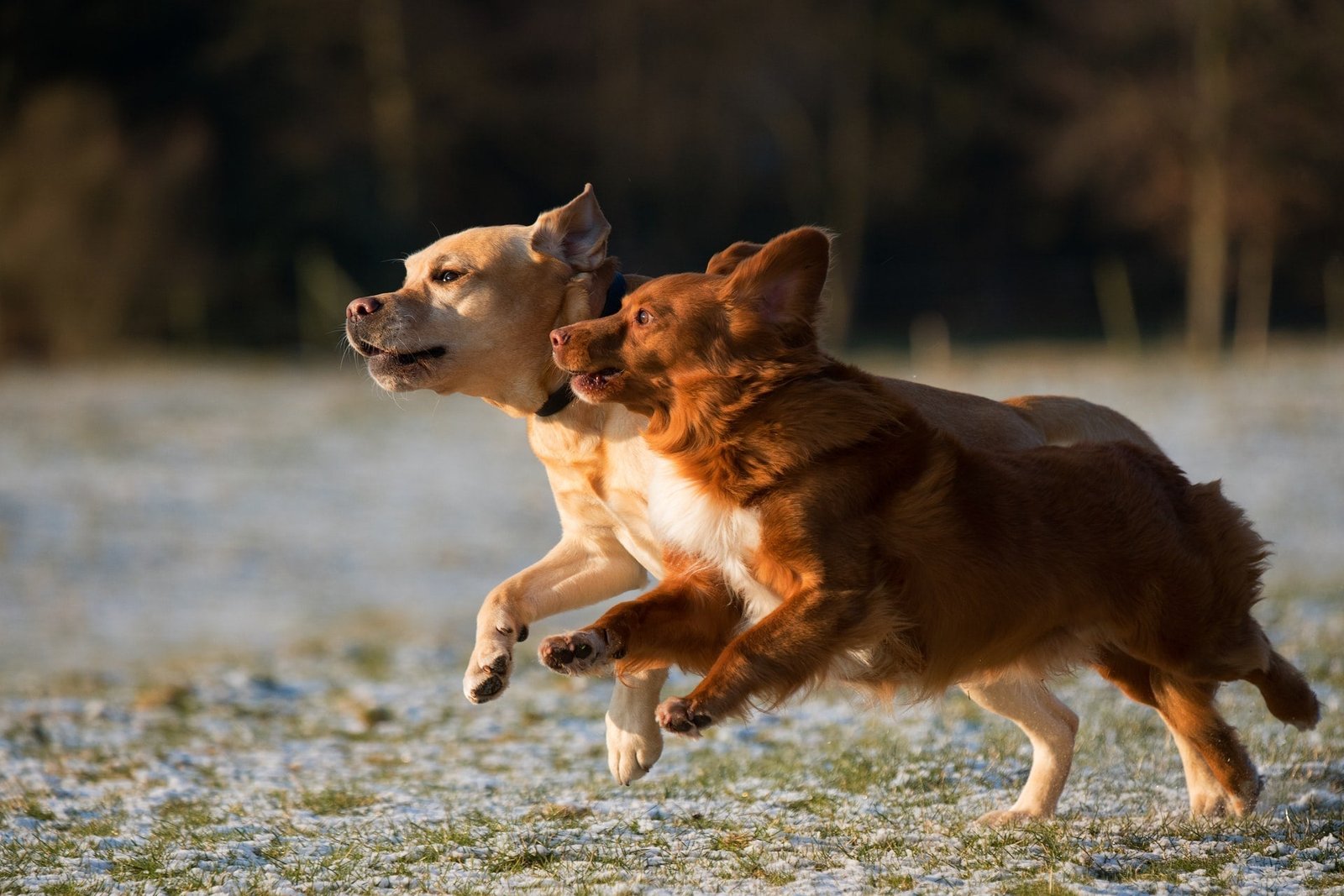
Overstimulation looks different. The dog is moving towards things, not away. Think zoomies, jumping up, mouthing, loud barking and a body that can’t settle. Frustration, which often sits alongside it, shows as pulling or lunging towards what he wants, pawing, barking and jumping at barriers.
Boredom is quieter in its signs. It tends to show up as chewing, digging, barking for attention and restlessness, and it’s usually worse on days with a short walk or when you’ve been out longer than usual.
Quick comparison
| Anxious | Overstimulated | Bored | |
|---|---|---|---|
| Direction of movement | Away or frozen | Towards things, can’t stop | Wandering, seeking something to do |
| Body | Tense, low tail, ears back, whale eye | Bouncing, mouthing, hard to hold | Loose, sometimes sighing and lying near you |
| Typical time | During or after a worrying event, or when left alone | After play, visitors or a busy outing | Quiet stretches of the day, short-walk days |
| Treats | Often refused | Grabbed, then lost interest in training | Taken readily, wants more |
| First move | Space and quiet | Rest and a calm activity | Brain work and a better walk |
None of these is a diagnosis. Dogs can be more than one at once.
Is it a health problem?
Check this first if the change is sudden. The Dogs Trust says changes in a dog’s behaviour are often influenced by his physical health, and suggests seeing a vet if restlessness is worse after exercise, eating or in the evenings, if he reacts when touched in a particular place, or if he struggles to nap or sleep. Pain, illness and low mood can look like stress, and dogs of any age can have underlying problems. In older dogs, our guide to dementia in dogs explains what else could be going on. If you need a vet, our guide to finding one can help.
What to do for each
If he seems anxious
Increase the distance from whatever’s bothering him, or leave. The Dogs Trust advises staying calm, avoiding telling him off or forcing him to meet people or dogs, and offering a quiet space to recover. Keep routines predictable and give him somewhere to retreat. Our guide to crate training explains how to build a safe space he actually chooses. The Dogs Trust says dogs generally don’t grow out of fear or anxiety alone, and recommends speaking to your vet and then a qualified behaviour expert.
If he seems overstimulated
Help him come down. Most adult dogs need between 12 and 14 hours of sleep a day, and puppies and older dogs need more, according to the Dogs Trust. A short break every five to ten minutes during play helps stop him getting overexcited, and sniffing, chewing and licking activities encourage relaxation. Avoid busy places when he’s already wound up. Our post on dogs getting hyper after eating covers one common trigger.
If he seems bored
Add variety, not just distance: a sniffy walk, a stuffed chew, scatter feeding, short training games. The Dogs Trust notes that dogs who don’t get enough exercise or chances to use their brain may use up their energy by getting hyperactive. For ideas on building a calmer day, see our guide to calming your dog naturally.
Keep a short diary
For a week, note the time, what happened in the hour before, what he did and how his body looked. Notes help you spot patterns, and the Dogs Trust suggests taking videos, diaries or notes to a vet appointment.
For the louder times of year, we use Calmdogs calming supplements alongside the routine. They’re a complementary feed, not a treatment, and they won’t tell you which of the three you’re dealing with. If you can’t tell, or you’re worried, a reward-based trainer or behaviourist can help. Our dog trainer directory is a good start, and our guide to one-to-one dog training explains what a session looks like.
Frequently Asked Questions
How can I tell if my dog is anxious?
Look for yawning when he isn’t tired, lip-licking, ears back, whites of the eyes showing, a low or tucked tail, trembling, hiding, pacing or ignoring treats. He is usually trying to get away or freezing rather than moving towards something.
What does an overstimulated dog look like?
Bouncing, mouthing, jumping up, loud barking and an inability to settle or listen. He tends to move towards the exciting thing and can’t wind down on his own.
How much sleep does a dog need?
The Dogs Trust says most adult dogs need 12 to 14 hours a day, and puppies and older dogs need even more. A dog who is short of rest can look hyperactive.
Can pain look like anxiety or boredom?
Yes. Pain and illness can cause restlessness, withdrawal and changes in sleep and appetite. If the change is sudden, speak to your vet before trying training.
When should I get help from a behaviourist?
If he shows fear, growling or snapping, can’t settle despite changes to his day, or you can’t work out which it is. See your vet first, then ask for a qualified behaviourist.
Written by Georgiana & Figo.