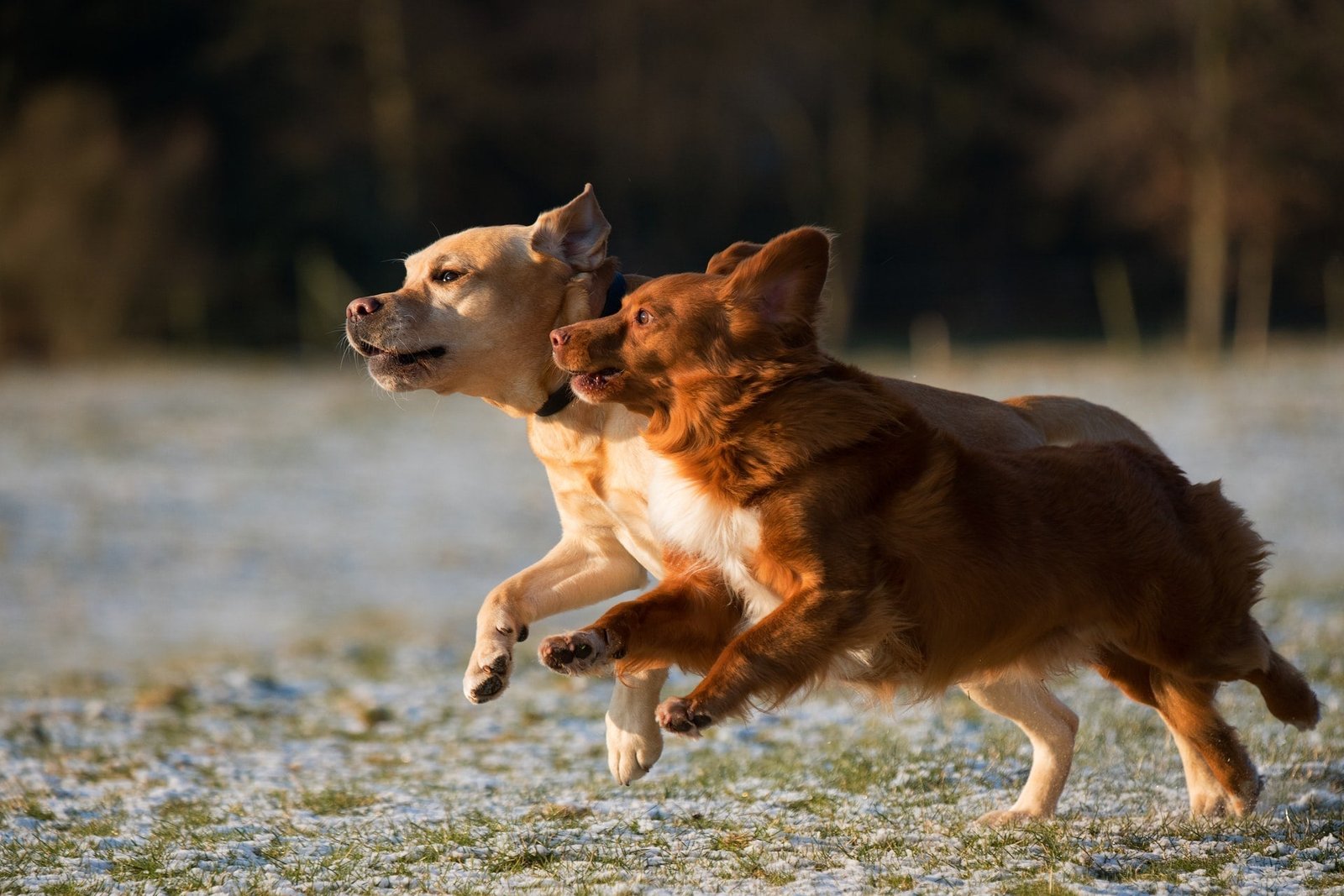

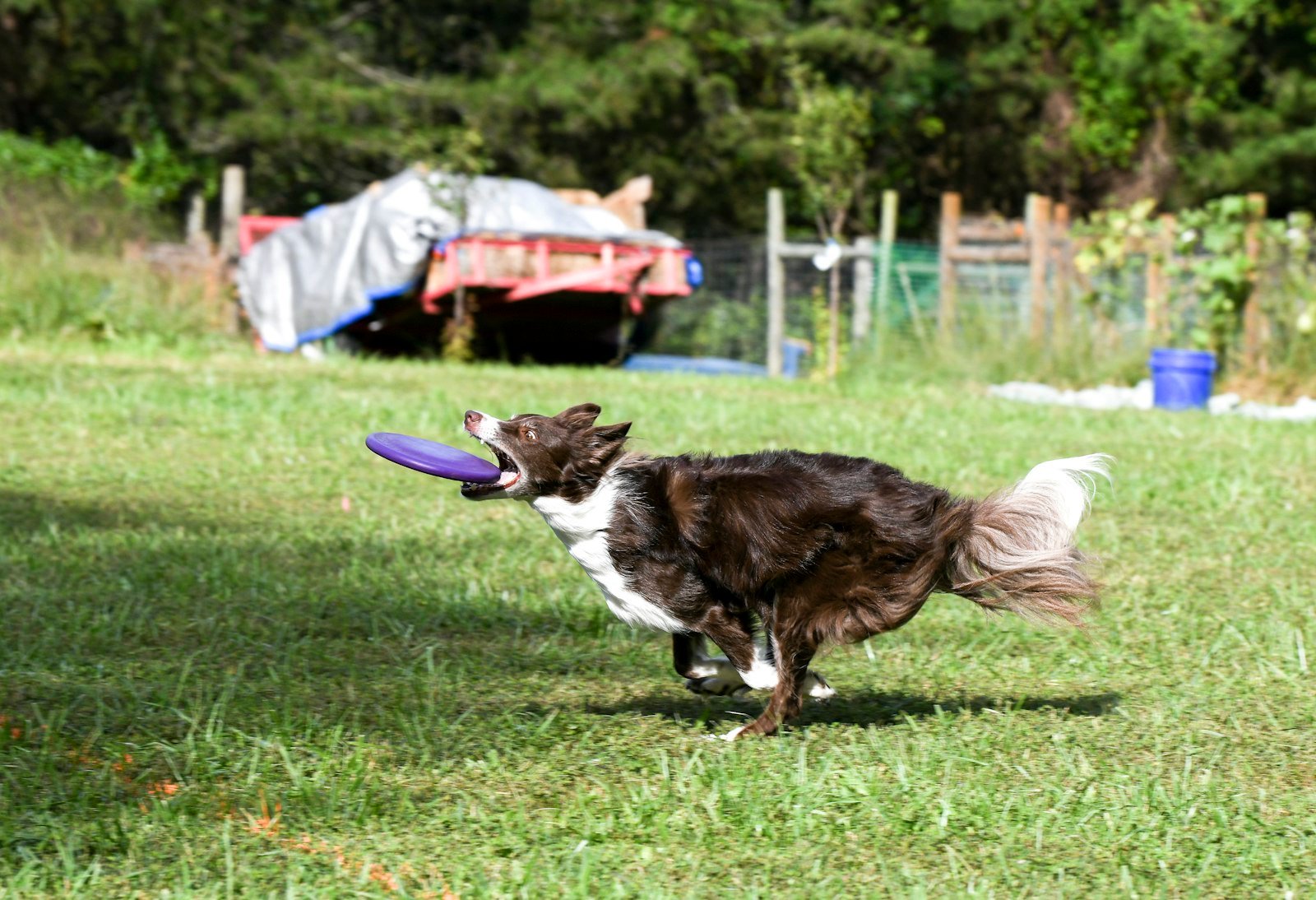
“Calm down!” you say, a little more sharply each time. Your dog responds by bouncing higher, barking louder or running another lap of the sitting room. It feels as if he’s doing it on purpose. He isn’t.
Why does a dog get more excited when you tell him to calm down? Usually for three reasons: you’ve just given him attention, your own voice and body have added energy rather than taken it away, and “calm down” isn’t something he has ever been taught to do. The fix is to stop asking, and start teaching.
Reason 1: Any attention is a reward
The Dogs Trust explains this in the context of jumping up: most dogs will take any attention, even being told to get down. Speaking to him, touching him or making eye contact while he’s wound up can work as an unintentional reward. Telling him off can be rewarding for some dogs because it gives them attention. So “calm down!” can pay him for exactly the behaviour you’re trying to quieten.
It’s the same loop as attention barking. If you’d like the full picture on that, our guide to stopping barking without a shock collar explains why reacting to the noise keeps it going.
Reason 2: Your energy is catching
Dogs are very good at picking up on our mood. When you’re flustered, raising your voice, flapping your hands or reaching to grab him, you may be adding to the commotion. A fast, loud “calm down!” doesn’t sound calm. It sounds like more fun, or more pressure, depending on the dog.
Reason 3: He doesn’t know what it means
“Calm down” is a request to feel and act differently, with no instruction attached. Dogs learn through what they’re rewarded for doing, so a cue only works once it has been taught and practised, usually in quiet moments. The Dogs Trust’s own settle training avoids verbal instructions altogether: you reward the settling as it happens, so the dog learns to do it without being asked.
Reason 4: He’s past the point of listening
When a dog is wound up, he often can’t take instructions in, so don’t be surprised if a cue he normally knows gets ignored. The Dogs Trust describes zoomies as a normal, silly burst of running, and says they can happen more when a dog is bored, frustrated, worried or overtired. At that point he doesn’t need an instruction. He needs a break. If you suspect it’s more than excitement, our guide to telling whether your dog is anxious, overstimulated or bored can help.
What to do in the moment
- Go quiet and slow. Lower your voice, keep your movements steady, and say very little.
- Stop the thing that’s winding him up. End the game, move away from the visitor or leave the busy place.
- Give him a break. The Dogs Trust suggests a sniff or a long-lasting chew for an overstimulated dog. A short break every five to ten minutes during play can stop him getting too wound up.
- Reward the first sign of calm. A sigh, four paws on the floor, a head turned away. Reward quietly.
- Don’t shove or shout. It adds energy and attention, which is the opposite of what he needs.
If he is mouthing or nipping while he’s wound up, our guide to the puppy shark phase covers it.
How to teach “settle” properly
Teach it when he’s already fairly relaxed, so he can learn.
- Pick a quiet place. Sit on a chair with him on a lead and a blanket on the floor.
- Stay silent. When he settles on the blanket, drop in a tiny treat.
- Reward lying down once he does it readily, then reward relaxation: a sigh, shifting his weight, resting his head.
- If he finds it hard, go slower. Reward standing quietly or sniffing the blanket.
- Add a couple of seconds each session.
- Practise off the lead, then add small distractions, such as a helper walking past.
- Move to new places gradually.
That’s the Dogs Trust’s method, and it works because he learns that resting is what earns the reward. If you use a clicker, our guide to clicker training shows how to mark the moment. A bed or a safe space he has chosen helps too; our crate training guide explains how to build one.
Make calm easier to reach
Most dogs need between 12 and 14 hours of sleep a day, and puppies and older dogs need more, according to the Dogs Trust. A dog who isn’t resting enough, or whose day has been all excitement and no downtime, will always find calm hard. Sniffing, chewing and licking activities help him relax. Our guide to calming your dog naturally has more ideas, and our post on why dogs get hyper after eating covers one common trigger.
When to get help
If he’s frantic every day, can’t settle even after exercise, or the excitement turns into mouthing or snapping, see your vet first. The Dogs Trust says restlessness can come from pain or illness, and recommends a vet check if it’s worse after exercise, eating or in the evenings. After that, a reward-based trainer can help. Our dog trainer directory is a good place to start.
Frequently Asked Questions
Why does my dog get more excited when I say calm down?
Your attention rewards the behaviour, your tone and movement can add energy, and he has probably never been taught what “calm down” means. Reward quiet behaviour and teach a settle instead.
Should I ignore my dog when he is overexcited?
Not by itself. Cut the attention that rewards the excitement, but also remove what’s winding him up and give him a break. Ignoring a worried dog can make things worse, so check whether he’s excited or anxious.
How do I teach my dog to settle?
Start somewhere quiet with a mat. Reward him quietly for lying down, then for relaxing, and build up the time and distractions slowly. Practise when he is already calm.
Is my dog overstimulated?
Signs include jumping, mouthing, frantic zoomies and not responding to cues he normally knows. He needs a break, a sniff or a chew rather than more instructions.
When should I see a vet?
If the restlessness is new, worse after exercise or eating or in the evenings, or he struggles to sleep. Pain and illness can make dogs hard to settle.
Written by Georgiana & Figo. Have a dog question we haven’t covered? Have a look around Calmshops or drop us a line.