
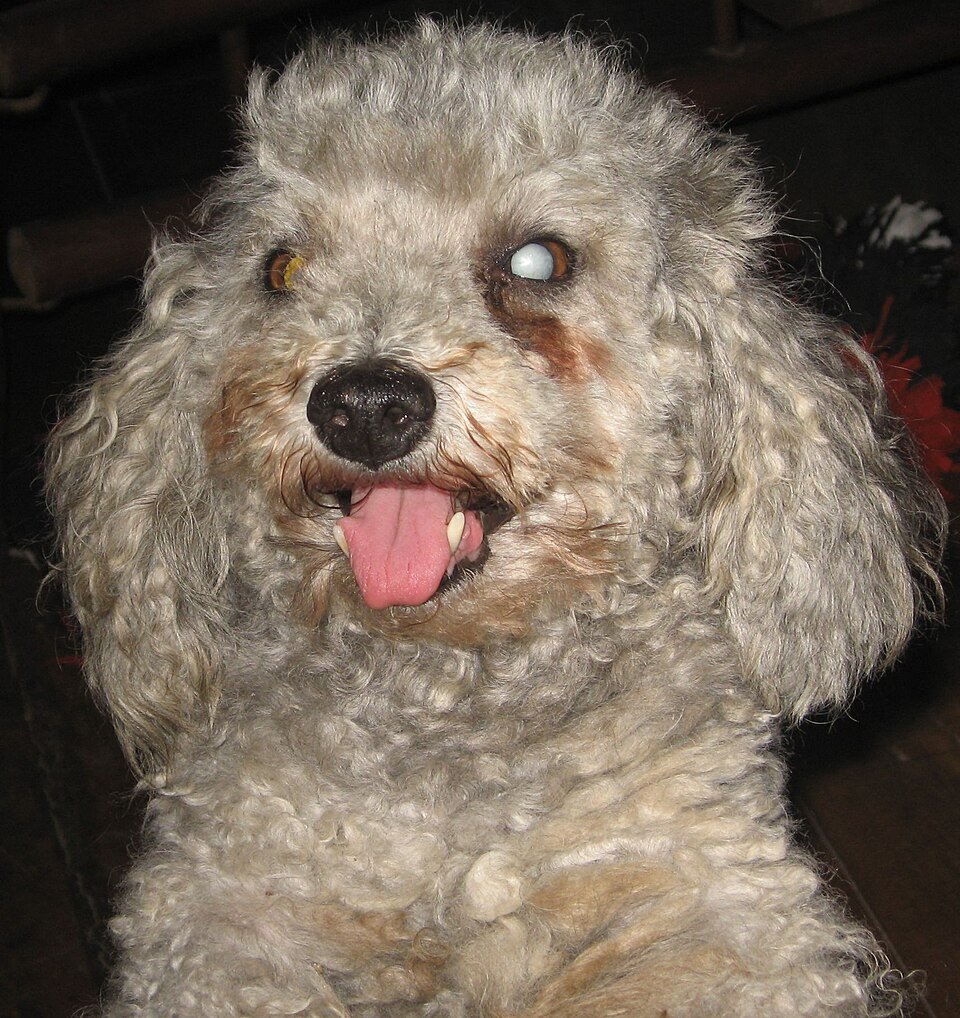
A cataract is a cloudiness inside the eye caused by a change in the lens, which stops light reaching the back of the eye and so reduces vision, as the PDSA explains. It can have several causes, including inheritance, getting older and diabetes. A cloudy eye can also have other causes, so if you spot one, speak to your vet.
At a glance
- What it is: a cloudy area in the lens of the eye that can blur vision.
- Who it affects: dogs of various ages. Some are born with cataracts or develop them young, others get them with age or diabetes.
- Urgency: soon. The PDSA says to contact your vet about any change in your dog’s eyes or if you think they are losing vision.
- Vet needed? Yes. Only a vet can tell a cataract from other causes of a cloudy eye.
Signs to look for
The most obvious sign is a cloudy or grey tinge in one or both eyes. The PDSA notes it may only show at certain angles of light, or in photos. The PDSA says vision loss can be easy to miss, especially if it develops slowly, because most dogs adapt using hearing and smell and may only bump into things more in low light.
The PDSA says cataracts themselves aren’t painful, but related eye conditions can be. It also mentions nuclear sclerosis, a natural ageing change that makes older eyes look cloudy but usually doesn’t affect vision much. The PDSA stresses this is not a cataract, and your vet is the one to tell the two apart.
Causes and risk factors
The causes are varied, and our two main sources put the emphasis in different places. The Royal Veterinary College (RVC) says most cataracts in dogs are the result of a genetic or hereditary defect, which may be present at birth or appear in young or middle-aged dogs. It adds that diabetes, advanced age, trauma and retinal disease can also be causes. The PDSA lists old age, diabetes, other eye disease, eye injury and inheritance, without saying which is most common, and notes that inherited cataracts more often develop later than at birth. Your vet is the one to say which fits your dog.
The PDSA says cataracts are very common in diabetic dogs and can develop quickly, sometimes leading to complete loss of vision. Our guide to diabetes in dogs explains the wider picture.
The PDSA names Golden Retrievers, Miniature Schnauzers, West Highland White Terriers and Old English Sheepdogs as higher-risk breeds, and stresses this is not a complete list.
When to call your vet
The PDSA’s advice is simple: contact your vet about any change in your dog’s eyes or suspected sight loss, and have even minor eye injuries checked. Squinting, weepy or bloodshot eyes, a bulging eye or rubbing at the face are signs the PDSA links to uveitis (inflammation inside the eye) or glaucoma (raised pressure in the eye), so speak to your vet if you see them.
Not sure who to call? Our vets guide helps you find a practice, and our sick dog symptoms page helps you judge how quickly to act.
- 1. Notice
A cloudy or grey tinge in one or both eyes - 2. Speak to your vet
Contact your vet about any change in your dog’s eyes - 3. Vet examines
Looks inside the eye with an ophthalmoscope; may measure eye pressure - 4. Options
Treatment options your vet may discuss: specialist eye surgery - 5. Ongoing care
Keeping the home familiar and consistent helps a dog with poor vision
How vets diagnose it
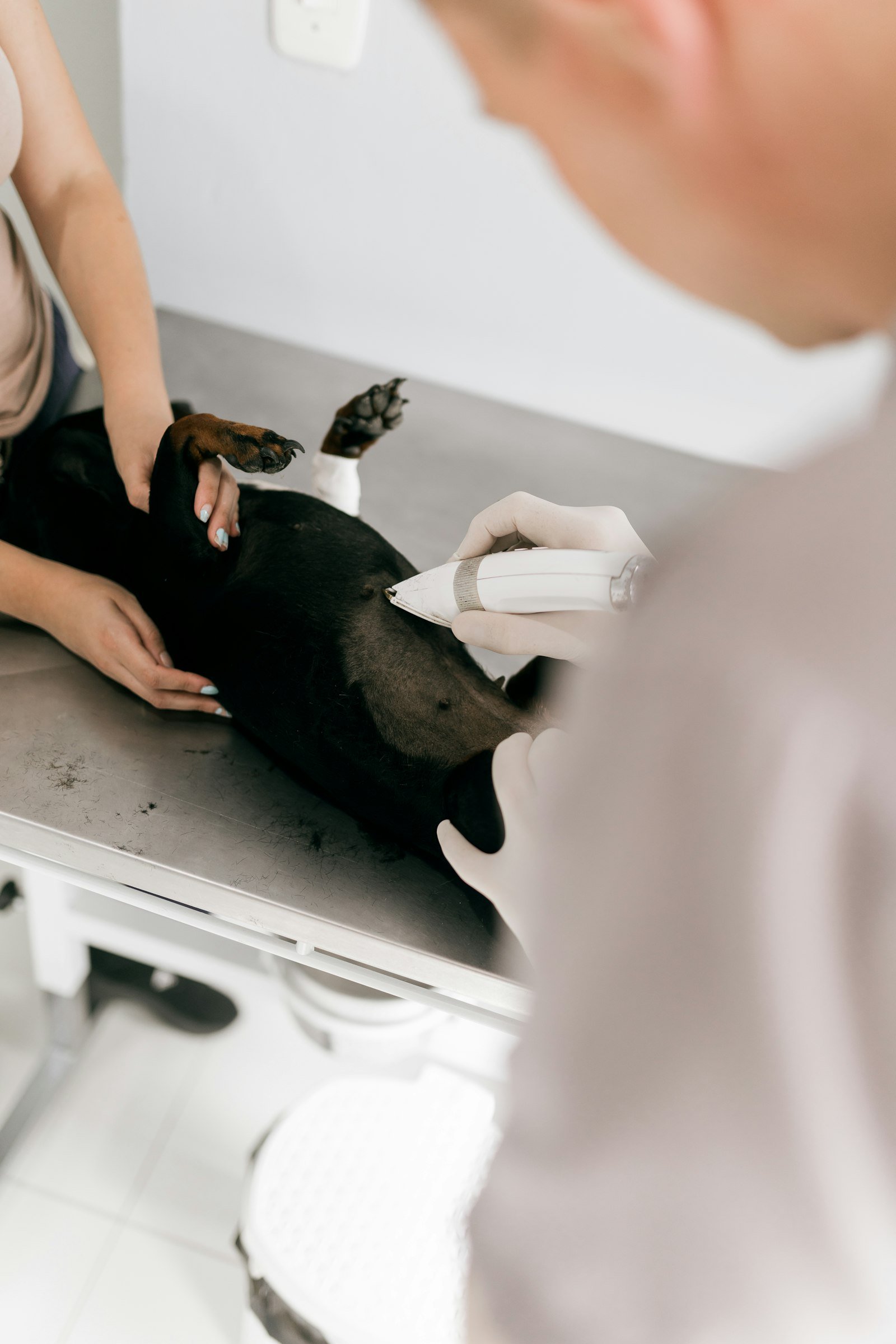
The PDSA says the vet looks inside the eye with an ophthalmoscope (a lit magnifying instrument), may measure eye pressure with a tonometer, and may suggest blood and urine tests if something like diabetes is suspected. If surgery is being considered, your vet will refer you to a specialist eye vet (an ophthalmologist) for assessment.
What vets generally do about it
Treatment is decided by your vet. The PDSA says cataracts aren’t reversible and the only way to get rid of one is to remove it. If an underlying condition is involved, the PDSA says treating it may slow cataract development, though it won’t remove the cataract.
Surgery is carried out by specialist eye vets at referral centres. The RVC says it is usually done with a technique called phacoemulsification, under general anaesthesia, and aims to place an artificial lens in the eye. The PDSA adds that ultrasound is used to break up the cloudy lens. Its cataracts page says surgery isn’t suitable for every dog, that dogs need eye drops and regular check-ups afterwards, and that risks include pain and vision loss.
Living with it and prevention
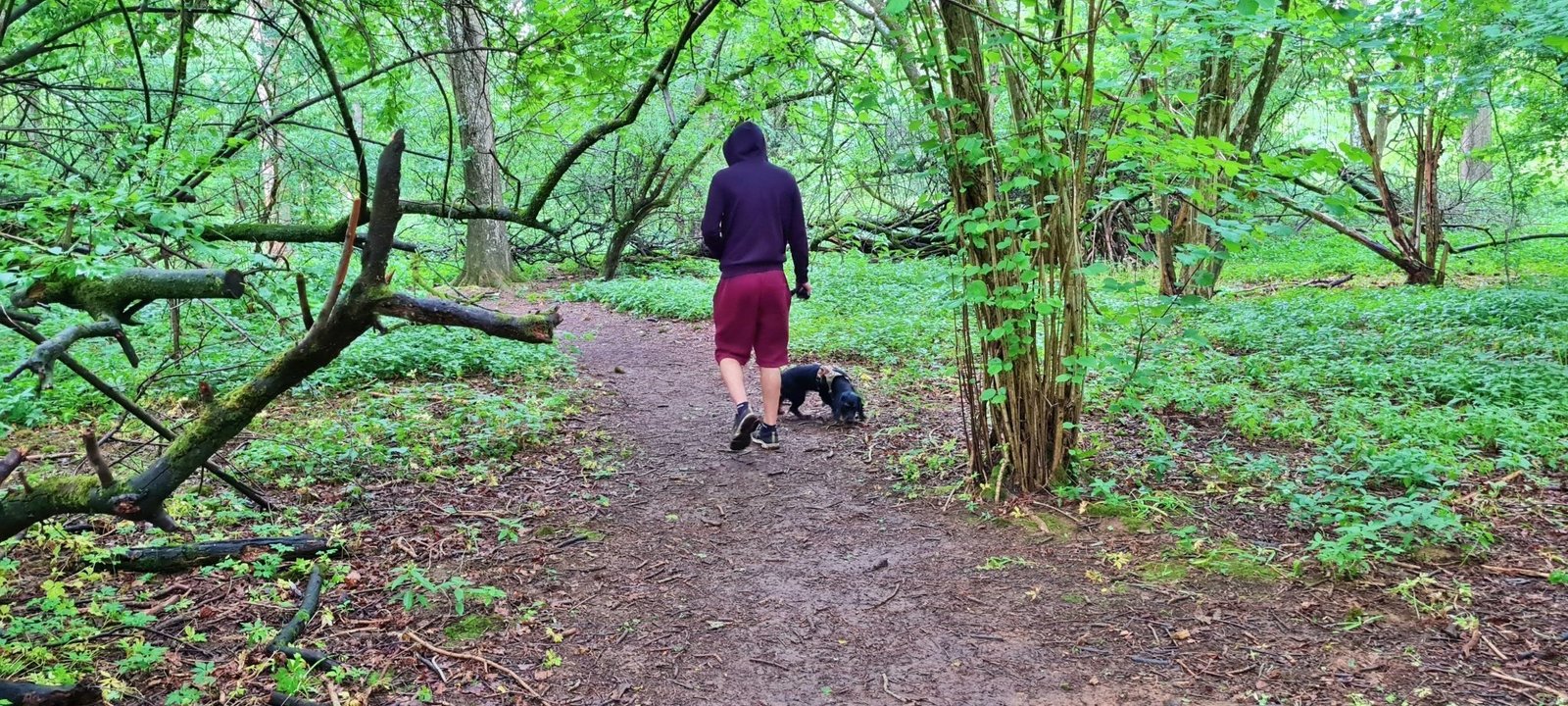
Many dogs cope well. The PDSA says dogs often manage cataracts very well, especially when sight fades slowly, and that keeping the home familiar and consistent helps a dog with poor vision. Surgery can be expensive, and the PDSA recommends insuring as early as possible, before any signs of illness. See our pet insurance guide. Our guide to how long dogs live covers ageing more broadly.
Prevention is limited. The PDSA suggests having all eye injuries checked by a vet and, if you are choosing a puppy of a higher-risk breed, checking whether the parents were screened under the Eye Scheme (see below).
Related conditions
- Diabetes in dogs
- Glaucoma in dogs
- Dry eye in dogs
- Conjunctivitis in dogs
- Cherry eye in dogs
- Browse the full A-Z of dog illnesses and conditions
Specialist help
The BVA Eye Scheme is a British Veterinary Association Canine Health Scheme in which BVA-appointed veterinary ophthalmologists carry out clinical eye examinations. It is open to all dogs, including crossbreeds, and the BVA advises that anyone planning to breed should have both parents examined.
Sources
- PDSA, Cataracts in dogs (PetWise Pet Health Hub leaflet)
- PDSA, Cataracts in dogs (Pet Health Hub)
- Royal Veterinary College, Cataracts fact file
- British Veterinary Association, Eye Scheme
Frequently Asked Questions
Can cataracts in dogs be cured without surgery?
The PDSA says the only way to get rid of a cataract is to remove it. Treating an underlying cause such as diabetes may slow cataract development but won’t remove it. Speak to your vet about what suits your dog.
Are cataracts painful for dogs?
The PDSA says cataracts themselves aren’t painful, but related conditions such as glaucoma or uveitis can be. If your dog is squinting or rubbing their face, speak to your vet.
Will my dog go blind from cataracts?
The Royal Veterinary College says that depending on the cause, cataracts may or may not progress to total blindness. The PDSA adds that cataracts in dogs with diabetes can develop quickly. Your vet can tell you what to expect for your dog.
Is a cloudy eye in an older dog always a cataract?
No. The PDSA says nuclear sclerosis, a natural ageing change, can also make eyes look cloudy, and cloudy eyes can have other causes. Only a vet can tell them apart, so contact your vet.
This page is general information, not veterinary advice. If you are worried about your dog, speak to your vet. Written by Georgiana & Figo, who are dog owners, not vets. Have a look around Calmshops for everyday dog essentials.