
Hypothyroidism in dogs is a lack of thyroid hormones because the thyroid glands in the throat are underactive. Thyroid hormones help regulate metabolism, which is how the body uses energy. It is usually diagnosed in middle-aged and older dogs, and the signs are easy to put down to “just getting older”, so any change in weight, energy or coat is worth a conversation with your vet.
At a glance
- What it is: an underactive thyroid gland, meaning too little thyroid hormone.
- Who it affects: dogs of any breed, most often diagnosed in middle age or later; some breeds are more at risk (see below).
- Urgency: soon. The PDSA advises booking an appointment if you think your dog may have signs of it.
- Vet needed? Yes. The PDSA says diagnosis relies on your dog’s signs plus blood tests, and your vet decides the treatment.
Signs to look for
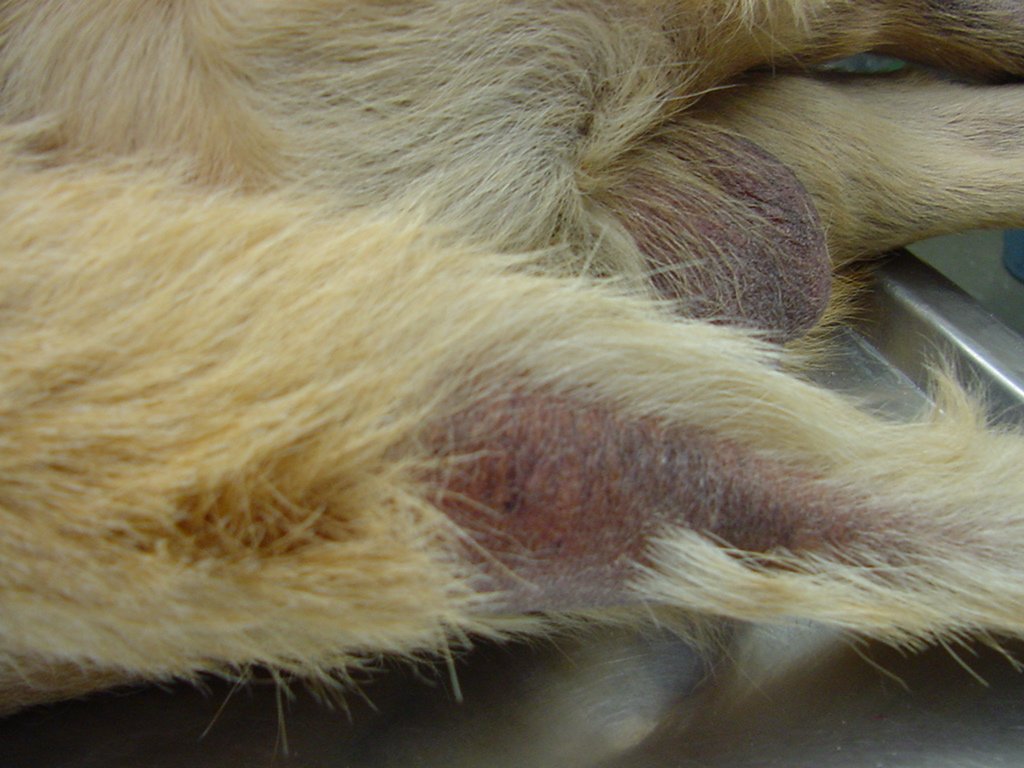
The PDSA says signs are usually vague and develop gradually. They include weight gain or difficulty losing weight, fur loss (especially around the neck, sides and tail), low energy, dandruff, recurring skin and ear infections, thick facial skin that can give a “sad” expression, and feeling the cold, shivering or seeking heat. In severe cases it can lead to coma.
Cornell University’s vets describe the hair loss as typically not itchy, and say the coat can look dry, dull or brittle and regrow slowly after clipping.
Causes and risk factors
The PDSA says the most common cause in adult dogs is the immune system attacking the thyroid. Another common cause is the gland shrinking for reasons vets are not sure of. Rarer causes include a condition present from birth, tumours, radiation to the neck, and some medicines that can interfere with thyroid function.
On breeds, the PDSA notes any breed can be affected but names Tibetan Terriers, Dobermanns and Boxers as higher risk. A large Royal Veterinary College VetCompass study of 905,553 UK dogs found about 0.23% were living with a diagnosis in a single year (roughly 1 in 400). Standard Dobermans, Tibetan Terriers, Boxers, Alaskan Malamutes, American Cocker Spaniels and Shetland Sheepdogs had much higher odds than crossbreeds, while French Bulldogs, Pugs, Yorkshire Terriers and Shih-tzus had lower odds. The median age at diagnosis was 7.65 years, and neutered dogs had higher odds of a diagnosis than entire dogs. The authors point out that this is clinical-records data, so it cannot show cause and effect: bodyweight, for example, could be a result of the condition rather than a risk factor for it.
When to call your vet
Book an appointment with your vet if you think your dog may have signs of hypothyroidism. The PDSA says that left untreated, symptoms get worse and severe complications can develop, so do not wait and see. If your dog seems suddenly very unwell, speak to your vet. Need a practice? Try our vets database. Our sick dog symptoms guide can also help you judge how fast to act.
- 1. Notice
Weight gain, fur loss or low energy - 2. Speak to your vet
Book an appointment if you think your dog may have signs - 3. Vet examines
Your dog’s signs plus blood tests, including thyroid hormone levels - 4. Options
Treatment options your vet may discuss: daily thyroid hormone replacement - 5. Ongoing care
Check-ups and repeat blood tests to keep hormone levels right
How vets diagnose it
The PDSA says diagnosis combines your dog’s signs with blood tests. Vets must first rule out other illnesses, because some can lower thyroid levels and give a false result. Tests usually include routine blood work plus thyroid hormone levels (usually low) and TSH, a hormone that is usually, but not always, high. Repeat tests, sometimes a few months apart, are common. Cornell adds that a final diagnosis relies on specific thyroid blood tests.
Because weight gain, tiredness and skin problems also occur with other hormone conditions, your vet may consider Cushing’s disease or diabetes too.
What vets generally do about it
The PDSA describes treatment as relatively simple: a daily thyroid hormone replacement given as a tablet or liquid once or twice a day, usually for life. Your vet decides the product and amount, and will arrange check-ups and repeat blood tests to keep hormone levels right. The PDSA’s timeline says dogs often perk up within a couple of weeks, fur may shed more at first and then regrow within 4 to 6 weeks, and many dogs look noticeably slimmer within 3 months and back to normal within 6 months. Cornell agrees the outlook is good with accurate diagnosis, treatment and monitoring.
Living with it and prevention
The PDSA says weight usually normalises once treatment starts, so diet changes are unlikely to be needed, but speak to your vet about your dog’s weight and feeding. Lifelong medication adds up, so our guide to pet insurance is worth a look. The PDSA page does not cover prevention, and we found no source we could cite for preventing it. The PDSA says most dogs have an excellent outlook and can live a long, happy life once treatment is working; see how long dogs live.
Related conditions
You can browse everything on our dog illnesses and conditions A-Z.
Sources
- PDSA: Hypothyroidism in dogs
- Royal Veterinary College VetCompass (O’Neill et al., 2022, Canine Medicine and Genetics): Frequency, breed predispositions and other demographic risk factors for diagnosis of hypothyroidism in dogs under primary veterinary care in the UK
- Cornell University College of Veterinary Medicine, Riney Canine Health Center: Hypothyroidism
Frequently Asked Questions
What are the first signs of hypothyroidism in dogs?
The PDSA says signs are usually vague and gradual, such as weight gain, low energy, fur loss, dandruff, recurring skin or ear infections and feeling the cold. Many of these have other causes, so speak to your vet.
Which dog breeds get hypothyroidism?
Any breed can be affected. The PDSA names Tibetan Terriers, Dobermanns and Boxers as higher risk, and a Royal Veterinary College study also found raised odds in Alaskan Malamutes, American Cocker Spaniels and Shetland Sheepdogs.
Can hypothyroidism be cured?
The PDSA says most dogs that respond well need daily thyroid hormone medication for life, with regular check-ups and blood tests. With treatment most have an excellent outlook, but the plan is for your vet to decide.
How is hypothyroidism diagnosed?
Vets combine your dog’s signs with blood tests, including thyroid hormone and TSH levels, after ruling out other illnesses that can affect the results. Tests are sometimes repeated a few months apart.
This page is general information, not veterinary advice. If you are worried about your dog, speak to your vet. Written by Georgiana & Figo, who are dog owners, not vets. Have a look around Calmshops for everyday dog essentials.