
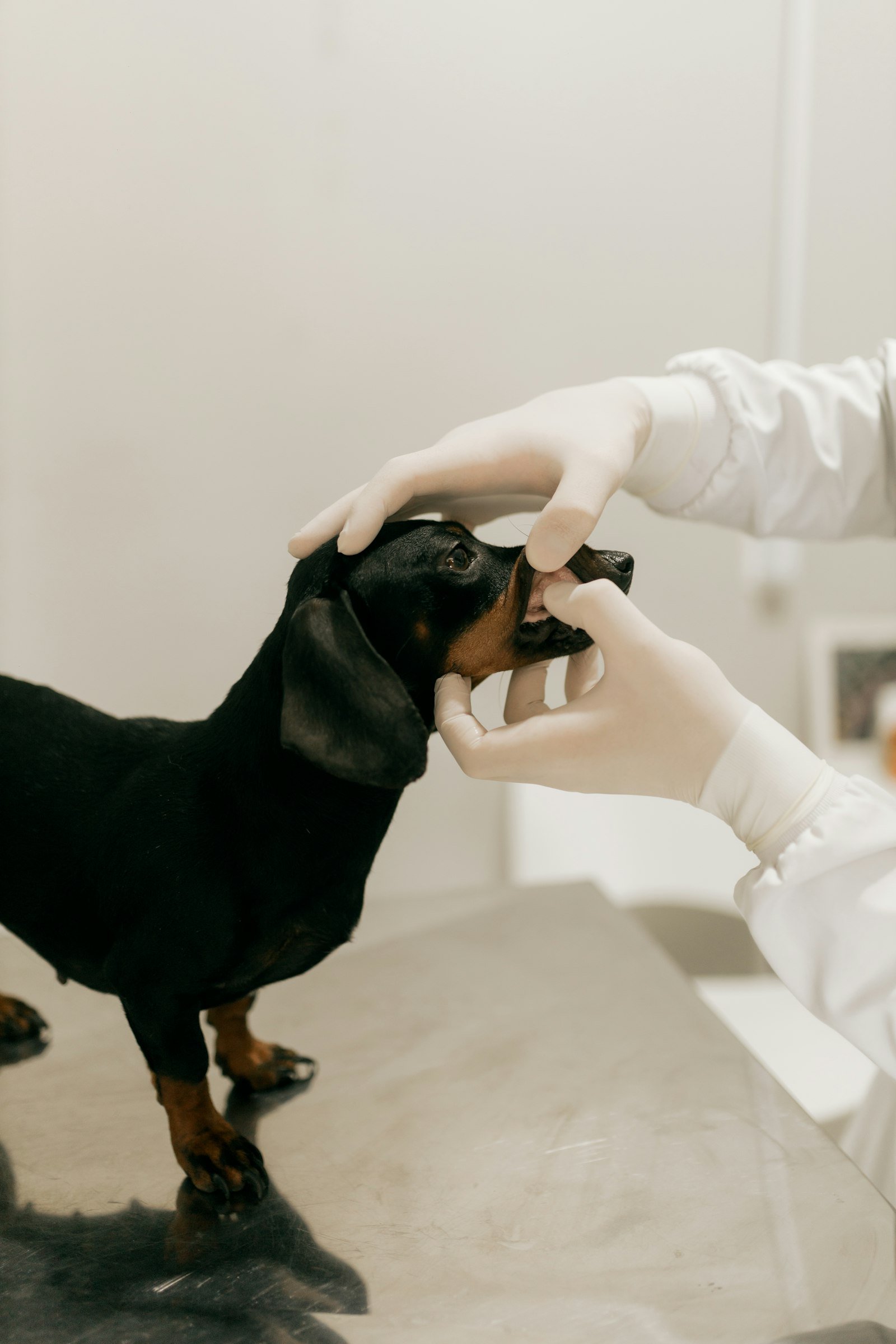
Dental disease in dogs is a group of tooth and gum problems, including plaque and tartar build-up, inflamed gums, tooth root abscesses and cracked teeth. The PDSA calls it painful and common, and a Royal Veterinary College study found gum disease was the most commonly diagnosed disorder in UK dogs, affecting about one in eight. Your vet is the person to examine the mouth.
At a glance
- What it is: disease of the teeth and gums, usually starting with plaque that hardens into tartar.
- Who it affects: dogs of any age, more often older dogs and certain smaller or flat-faced breeds.
- Urgency: routine for a check-up, soon if you spot signs. Urgent if your dog cannot close their mouth or is too sore to eat.
- Vet needed? Yes. Safe cleaning or extraction needs a general anaesthetic.
Signs to look for
- Bad breath (halitosis), which can have other causes too
- Chewing on one side, dropping food, or preferring soft food to biscuits
- A yellowish-brown coating of plaque or tartar on the teeth
- Red, swollen or bleeding gums, and drooling, sometimes blood-stained
- Loose, missing or broken teeth
- Pawing at the face or mouth, or head shaking
- Weight loss
- Swelling on the face, often under the eye, which can mean a tooth root abscess
If your dog is eating less, our guide on whether your dog isn’t eating enough may help, but a sore mouth is worth ruling out with your vet.
Causes and risk factors
The PDSA says poor dental hygiene is one of the most common causes. Plaque is a soft mix of saliva, food and bacteria. When it hardens into tartar it inflames the gums and damages the teeth. Other factors include retained baby teeth, which should fall out around four months old, crowded mouths in small or flat-faced breeds such as those covered in our BOAS page, and knocks or chewing hard objects. The PDSA does not recommend bones or very hard chews because they can cause slab fractures.
The Royal Veterinary College’s VetCompass study of 22,333 UK dogs found these breeds had the highest reported rates of periodontal disease:
| Breed | Dogs affected in the study |
|---|---|
| Greyhound | 32.2% |
| King Charles Spaniel | 30.1% |
| Toy Poodle | 26.0% |
| Cavalier King Charles Spaniel | 25.3% |
| Yorkshire Terrier | 22.2% |
| Border Terrier | 22.1% |
Dogs aged eight and over were more than three times as likely to be affected as dogs aged two to four, and dogs under 15kg were 2.5 times as likely as dogs of 30 to 40kg.
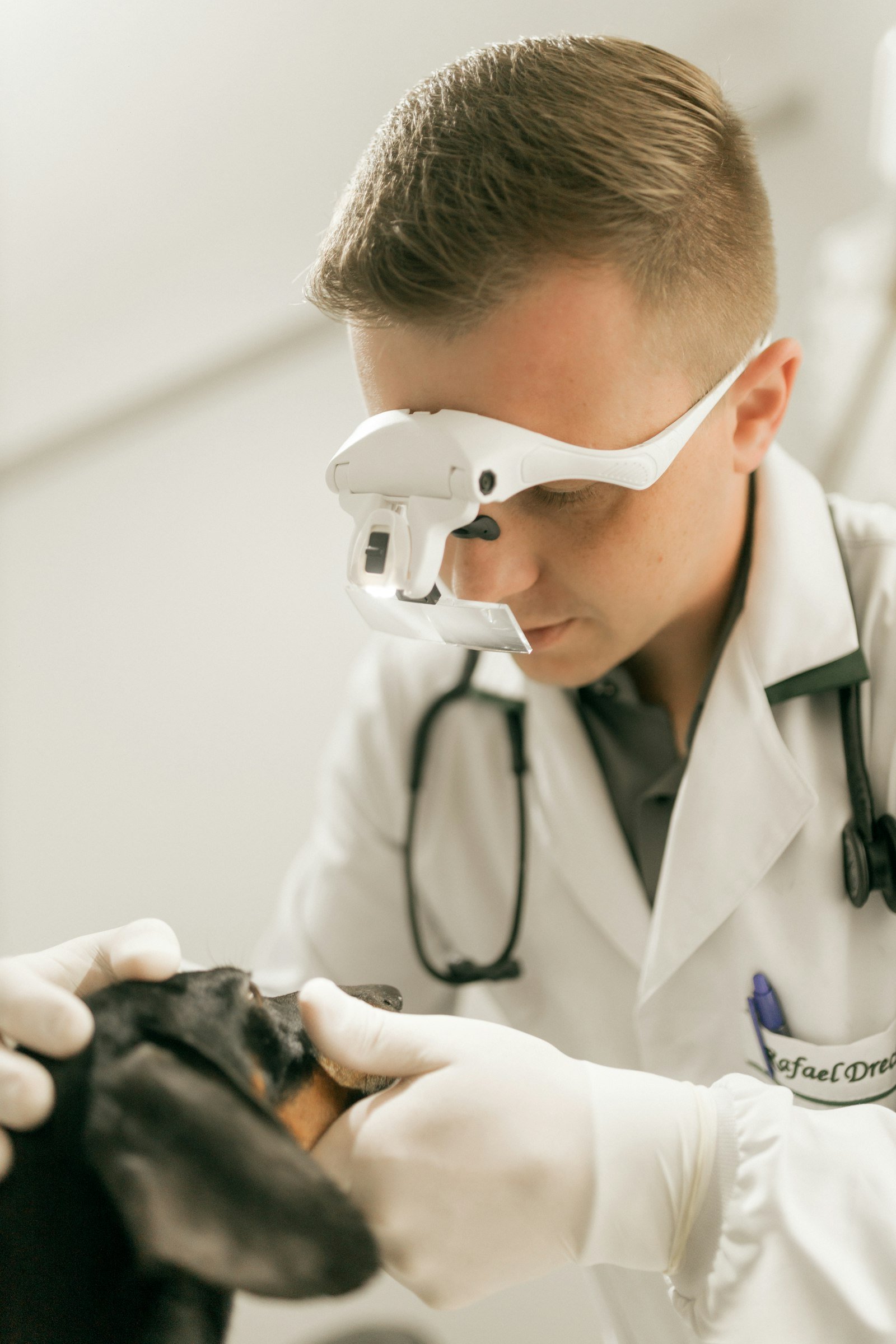
Crown: the part you can see.
Roots: about 60% of each tooth (PDSA), hidden under the gums.
Roots can only be checked with dental X-rays under anaesthetic.
When to call your vet
Speak to your vet if you notice any of the signs above or suspect dental disease. The PDSA says to seek an urgent appointment if your dog cannot close their mouth or is too painful to eat. If you need a practice, try our vets guide. The PDSA also suggests a mouth check at least once a year, which can be done at the annual vaccination visit. Our sick dog symptoms guide covers other signs that need a call.
How vets diagnose it
Your vet will ask about the signs and examine the mouth. The PDSA says some dogs need sedation or a general anaesthetic for a full check. The PDSA says tooth roots make up about 60% of the tooth and sit under the gums, so they can only be assessed with dental X-rays under general anaesthetic.
What vets generally do about it
The PDSA says most dogs with dental disease need a dental procedure under general anaesthetic, anything from a scale and polish to removing loose, infected or fractured teeth. Pain relief may be prescribed. The PDSA says antibiotics are often not needed when a procedure and pain relief are used, though your vet may prescribe them in some cases. Advanced cases may be referred to a specialist veterinary dentist. Your vet decides what is needed for your dog.
Living with it and prevention
The PDSA calls daily tooth brushing the best way to prevent dental disease, and says brushing at least three times a week still lowers the risk significantly. Start early with pet-safe toothpaste and reward-based training, and do not force a dog who will not tolerate it. The PDSA advises supervising your dog with dental chews and toys, and counting them within the daily food allowance. It says dry biscuits are thought to be slightly better than wet-only feeding at removing plaque, but they are not a substitute for brushing. It also says never to use human mouthwash or antibacterial gels on your dog; ask your vet about dog-safe options. The PDSA adds that dental treatment can become very expensive and some policies may not cover it, so check cover before you buy. Our UK pet insurance guide is a starting point, and our guide to dog dental care in the UK looks at what dental help really involves.
Related conditions
The PDSA says bacteria from dental disease can spread to the kidneys, heart and liver.
You can browse the full A–Z of dog illnesses and conditions too.
Sources
- PDSA, Dental disease in dogs (Pet Health Hub)
- PDSA, Dental disease in dogs (Pet Health Hub leaflet, PDF)
- Royal Veterinary College, Epidemiology of canine periodontal disease (Clinical Connections, VetCompass study)
Frequently Asked Questions
What causes dental disease in dogs?
The PDSA says poor dental hygiene is one of the most common causes: plaque hardens into tartar, which inflames the gums and damages teeth. Retained baby teeth, crowded mouths and knocks or hard chews can also play a part.
How often should a dog’s teeth be checked?
The PDSA suggests the mouth is checked at least once a year, for example at the annual vaccination visit. Speak to your vet sooner if you notice bad breath, bleeding gums, drooling or difficulty eating.
Can I stop dental disease with brushing?
The PDSA calls daily brushing the best way to prevent dental disease, and says brushing at least three times a week still lowers the risk significantly. Use a pet-safe toothpaste, never human mouthwash, and ask your vet for advice.
Does a dog need an anaesthetic for dental treatment?
The PDSA says safe cleaning or extraction needs a general anaesthetic, and that dental X-rays of the tooth roots are also done under anaesthetic. Your vet will explain the risks and benefits for your dog.
Which dogs are most prone to dental disease?
In a Royal Veterinary College VetCompass study, Greyhounds, King Charles Spaniels, Toy Poodles, Cavalier King Charles Spaniels, Yorkshire Terriers and Border Terriers had the highest reported rates. Dogs aged eight and over were more than three times as likely to be affected as dogs aged two to four.
This page is general information, not veterinary advice. If you are worried about your dog, speak to your vet. Written by Georgiana & Figo, who are dog owners, not vets. Have a look around Calmshops for everyday dog essentials.