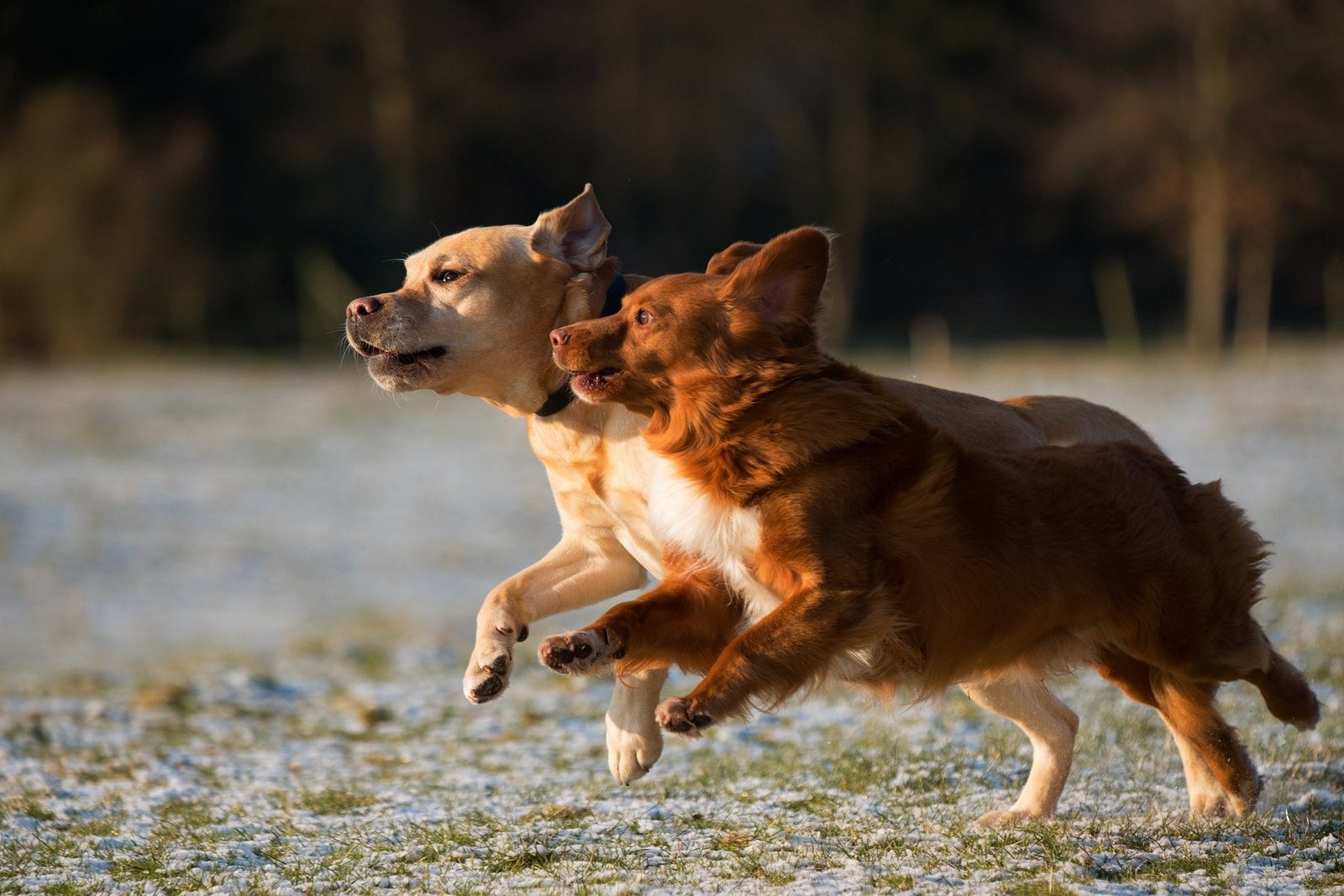

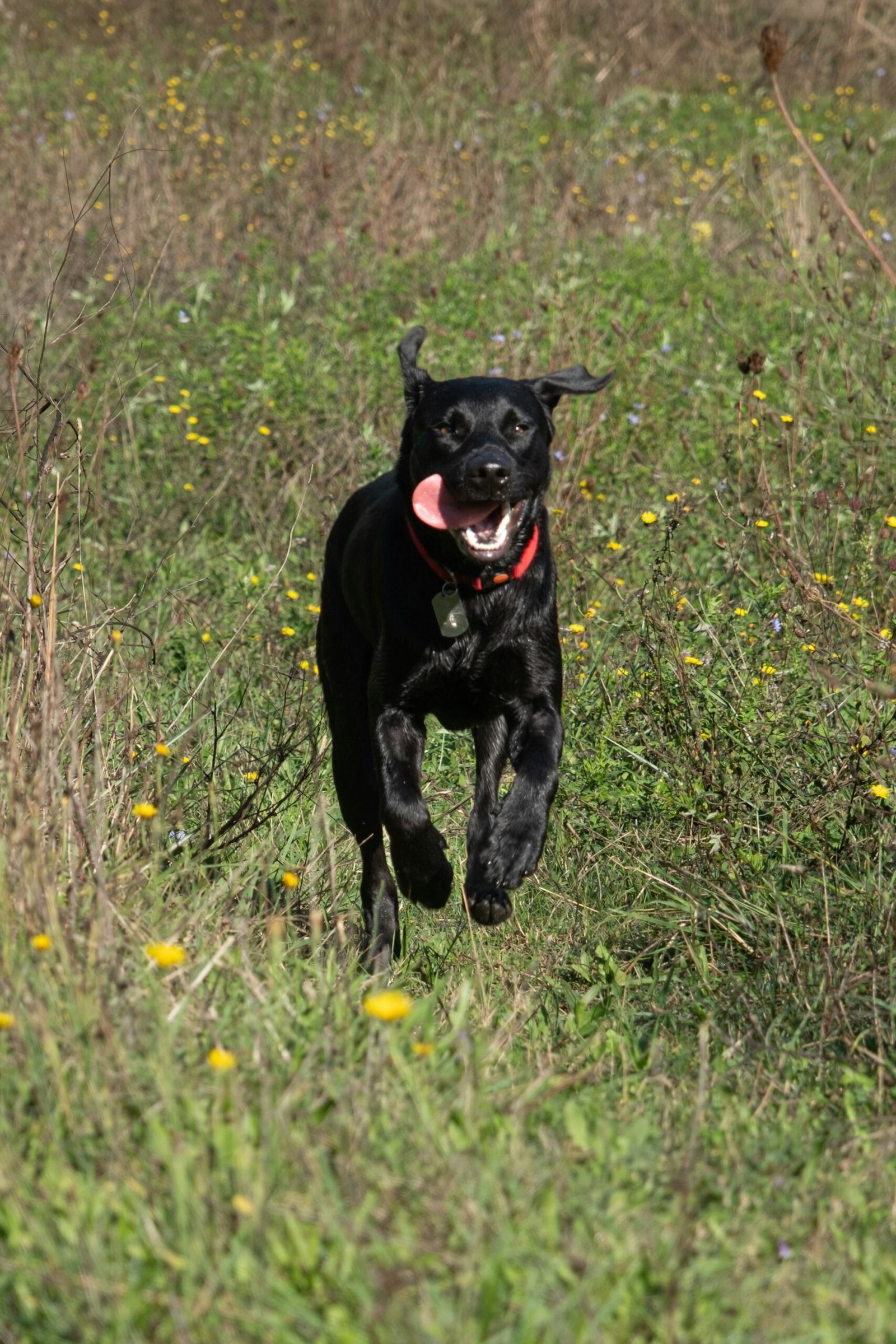
It’s a scene most dog owners know: you’re in the park, you call your dog, and he looks straight at you and carries on doing whatever he was doing. Everyone nearby has noticed. You call again, louder this time, which somehow makes it worse. He ambles over eventually, in his own time, and you’re left wondering what you’re doing wrong.
Nothing, probably — or at least nothing unusual. Most “bad recall” isn’t a training failure so much as a training accident, and it’s fixable once you understand what’s actually gone wrong.
Why your dog ignores you
Think about the moments you actually call your dog. To put the lead on and leave the park. To get out of the pond. To come inside when he’d rather be in the garden. To stop rolling in whatever that was. From his side of things, the word “come” has quietly turned into the word that ends the fun.
This is what trainers call a poisoned cue — a command the dog has learned, through nothing but ordinary daily life, to associate with something he doesn’t want. Nobody does this on purpose. It happens through completely reasonable behaviour, repeated a few hundred times, until the word itself carries the weight of every walk-ending moment attached to it.
This matters because it changes what the fix actually is. It isn’t “say it more firmly” or “use a better voice.” A poisoned cue can’t be un-poisoned by trying harder with the same word. You retire it, build a fresh one from nothing, and pay that new cue so generously and unpredictably that coming back becomes the single best bet available to your dog, every time.
The rule that changes everything
Two rules, really, and they’re both about protecting the new cue you’re about to build.
Never call unless you’re genuinely confident he’ll come. If he’s fixated on a squirrel forty feet away, don’t call — go and get him instead, or wait it out. Every call he ignores weakens the cue a little more. A cue that works nine times out of ten isn’t 90% reliable; it’s a cue your dog has learned is optional.
Never call him for something he’ll dislike. If it’s time to leave, or time for a nail trim, go to him instead of calling him to you. This is the single change that does the most long-term good, and it’s the one people find hardest to stick to, because calling is just easier in the moment.
Starting over
Pick a completely new word or, better, a whistle. A whistle has real advantages here: it’s a consistent tone every time, it carries much further than a shout, and — this matters more than it sounds — it can’t leak your frustration the way your voice can by minute ten of a failed recall attempt. Whatever you choose, it needs to be a word or sound you don’t use for anything else.
You’ll want a whistle and a 5–10 metre long line before you start, since the whole method leans on both. Any decent pet shop or outdoor retailer will have them.
Building it indoors and in the garden
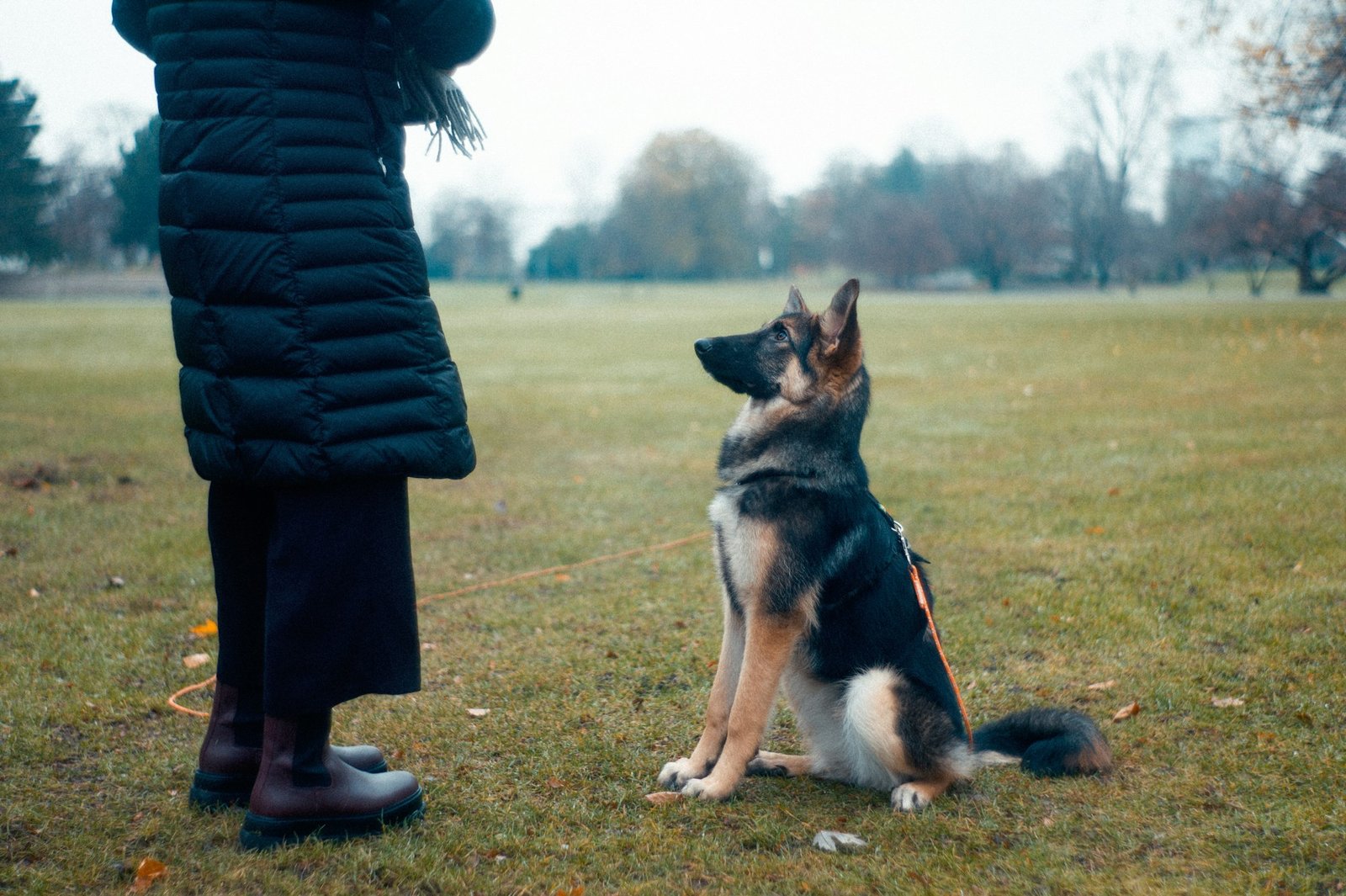
Start where nothing can go wrong. In the kitchen, in the garden, with zero distractions. Say the new word or blow the whistle once, mark the instant he turns towards you — a clicker or a clear “yes” — and pay generously the moment he arrives. Repeat this often, in short sessions, over several days before you take it anywhere harder.
The point of this stage isn’t proofing against distraction yet. It’s building a rock-solid association: this sound means something extraordinary is about to happen. You can’t skip it and expect the outdoor version to hold.
The long line stage
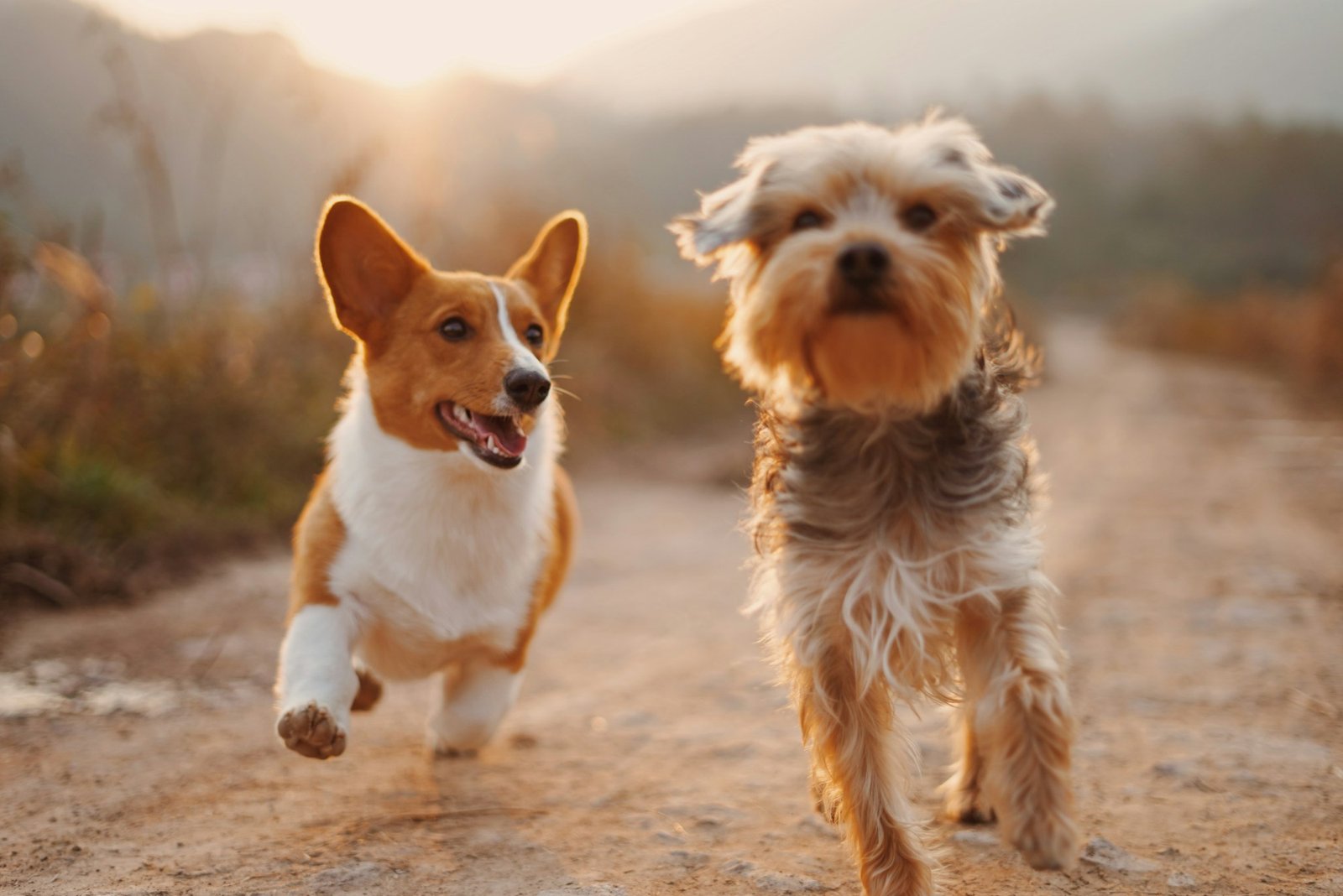
Here’s the bit most recall advice skips, and it’s the most important part of this whole guide: nobody should be practising recall off the lead.
A long line isn’t a training aid for dogs that are struggling — it’s the standard method, full stop. The reason is simple. Every time a dog ignores a recall and gets away with it, that failure gets rehearsed and reinforced. Off-lead practice, before the cue is solid, is just repeated practice at ignoring you. A long line removes that possibility entirely. Your dog can range, sniff, and feel free, but the option to blow you off and bolt simply isn’t there. Off-lead time is the exam, not the classroom, and you don’t sit the exam until you’ve done the coursework.
Kit-wise: a 5–10 metre line clipped to a well-fitted harness rather than a collar, so a sudden tug doesn’t wrench his neck. Let him range out to the end of it and call him back, rewarding lavishly every single time he arrives, regardless of how quickly he got there. Common mistakes here are winding the line in hand-over-hand as he approaches (which can look and feel like a correction) and reeling him in physically instead of waiting for him to close the distance himself — both undermine the “coming to you is his choice and it pays brilliantly” message you’re trying to build.
Move through progressively busier locations on the line — a quiet field, then a park with a few dogs about, then somewhere properly distracting — before you ever consider unclipping it.
Paying properly
This is where most recall training quietly fails without anyone noticing why. If your dog gets one dry biscuit for coming back from a squirrel-filled field, you’ve paid him less than the squirrel offered. He’ll notice, even if you don’t.
Build a genuine value hierarchy: everyday kibble for easy indoor reps, something considerably better for the garden, and your dog’s actual favourite thing on earth — sausage, cheese, a favourite toy — reserved for real-world recalls with distractions around. Throw in genuine jackpots occasionally: five pieces of chicken instead of one, out of nowhere, for an especially good comeback. Vary it so he never quite knows what’s coming, which is part of what makes checking in with you so compelling. Predictable reward is fine; unpredictable, occasionally spectacular reward is what actually builds a habit.
Proofing against distraction

Once the basics hold on the long line, deliberately practise around the things that currently beat you: other dogs, food dropped on the ground, squirrels, other people. Still on the line at this stage. Call him away from something mildly interesting first, pay huge, and build up gradually to harder distractions. This is slow work and there’s no shortcut through it — but it’s the stage that turns “recall in the garden” into “recall anywhere.”
Emergency recall
Alongside all of this, it’s worth building one separate cue — a different word or a different whistle pattern — that you keep completely untouched by everyday use. Practise it rarely, always pay it at the absolute highest value you have, and never use it for anything routine. The everyday cue will have the odd off day. This one is for the moment you genuinely need it to work, and it will, precisely because you’ve never once let it down.
What to do when they don’t come back
If your dog ignores a recall or takes his time getting there, resist every instinct to be cross when he finally arrives. This is the single most common recall-destroying mistake, and it feels completely natural to make — you’ve been calling for two minutes, you’re embarrassed, you’re relieved and irritated in equal measure, and it shows on your face and in your voice the second he reaches you. Don’t. Whatever happened on the way back, the moment he arrives is the only moment that gets rewarded, so reward it, every time, no matter how long it took or how much he ignored you first.
The other instinct to resist is chasing a dog who’s bolted. Chasing turns into a game he’s built to win, and it teaches him that running from you is enormous fun. Turn and run the other way instead, calling excitedly — most dogs will chase after you rather than continue away, and you keep the whole interaction framed as something good rather than a pursuit.
When it isn’t going to be perfect
Here’s the honest part most recall guides skip entirely: some dogs will never have bulletproof off-lead recall, and pretending otherwise sets owners up for disappointment and, worse, for taking risks they shouldn’t.
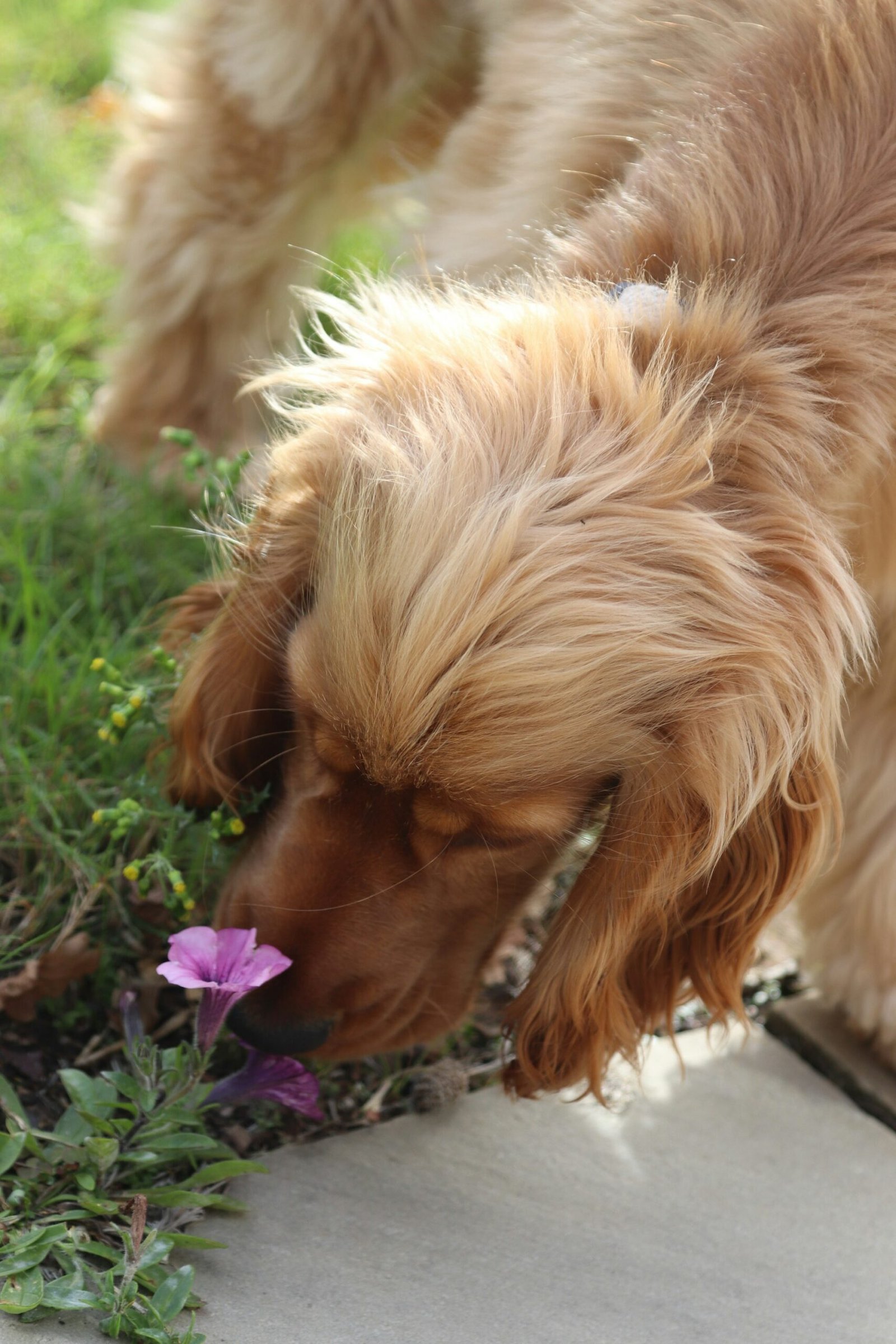
Figo is a cocker spaniel, and cockers are a scent breed through and through — bred for generations to put their nose down and follow it regardless of what else is happening. For a few seconds, nose fully down on a fresh trail, he is, functionally, deaf. That’s not a training failure on our part. It’s what he was bred to do, and no amount of jackpot chicken entirely switches it off.
Certain breeds and certain contexts are simply higher-risk: a spaniel on a scent, a sighthound that’s spotted movement, a terrier who’s found a hole with something interesting down it. The honest answer for dogs like these isn’t more months of guilt-inducing training — it’s knowing where the genuine risk is and using a long line in those specific places while allowing real freedom in the safer ones. That’s not giving up. It’s working with the dog in front of you rather than the theoretical dog the training books assume.
Realistic timescales help here too: a usable recall typically takes a matter of weeks to establish, but a properly proofed one — reliable around real distraction — takes months of consistent work, not a single weekend course.
Where you can and can’t let go of the line
UK law on where dogs can be off the lead varies by location — livestock fields, ground-nesting bird areas in spring, and beaches with seasonal dog restrictions all carry their own rules, and plenty of areas have Public Space Protection Orders requiring dogs on leads. Our guide on whether your dog needs to be on a lead at all times covers this in more detail rather than repeating it all here.
If your dog’s recall suddenly gets noticeably worse after being previously reliable, that’s worth mentioning to your vet — hearing changes and pain are both real possibilities behind a sudden drop-off, and it’s not something to train through.
Tools worth having
A clicker makes the marker stage sharper than a verbal “yes,” and the Calmdogs Dog Training Clicker is a genuinely useful, inexpensive bit of kit for it. A long line and a whistle are the other two essentials this method leans on — we don’t currently stock either, so a general pet shop is the place to go.
If recall issues sit alongside other struggles, a local trainer or puppy class is worth the investment, especially for the higher-risk breed situations above. Our directory of dog trainers covers every county in England and Wales, and our piece on common dog training mistakes is worth a read too. Building engagement through games like chasing a ball helps reinforce that coming back is always the fun option, and for dogs with a genuinely difficult history, our guide to training a rescue dog with a difficult past covers recall alongside the wider picture. If you’d rather keep tabs on where your dog is while this is still a work in progress, our dog tracker guide takes the edge off the worry without doing the training for you.
Frequently Asked Questions
Here are some common questions dog owners may have about this topic.
Why won’t my dog come back when called?
Usually because the word ‘come’ has been accidentally linked to unwelcome moments — the lead going on, the fun ending, a telling-off. This is called a poisoned cue. The fix is a fresh cue, built from scratch and paid generously, rather than repeating the old one more firmly.
Should I practise recall off the lead?
No — not until it’s solid on a long line first. Off-lead practice before the cue is reliable just gives your dog repeated practice at ignoring you. A long line lets him have real freedom while removing that option.
What if my dog never gets a perfect off-lead recall?
Some breeds and situations make bulletproof recall unrealistic — certain scent hounds, sighthounds, and terriers in particular. That’s not a training failure; it’s working with the dog you have, using a long line in higher-risk places and freedom in safer ones.
Should I use a whistle instead of my voice?
Many owners find a whistle works better — it’s a consistent tone, carries further than shouting, and doesn’t carry your frustration the way a raised voice can.
How long does recall training take?
A usable recall typically takes a few weeks of consistent short sessions. A properly proofed recall, reliable around real distractions, takes months rather than a single weekend.
Written by Georgiana, with plenty of lessons learned from Figo’s nose leading him astray more than once. Have a training question we haven’t covered? Have a look around Calmshops or drop us a line — we answer everything.